Plenary Speakers
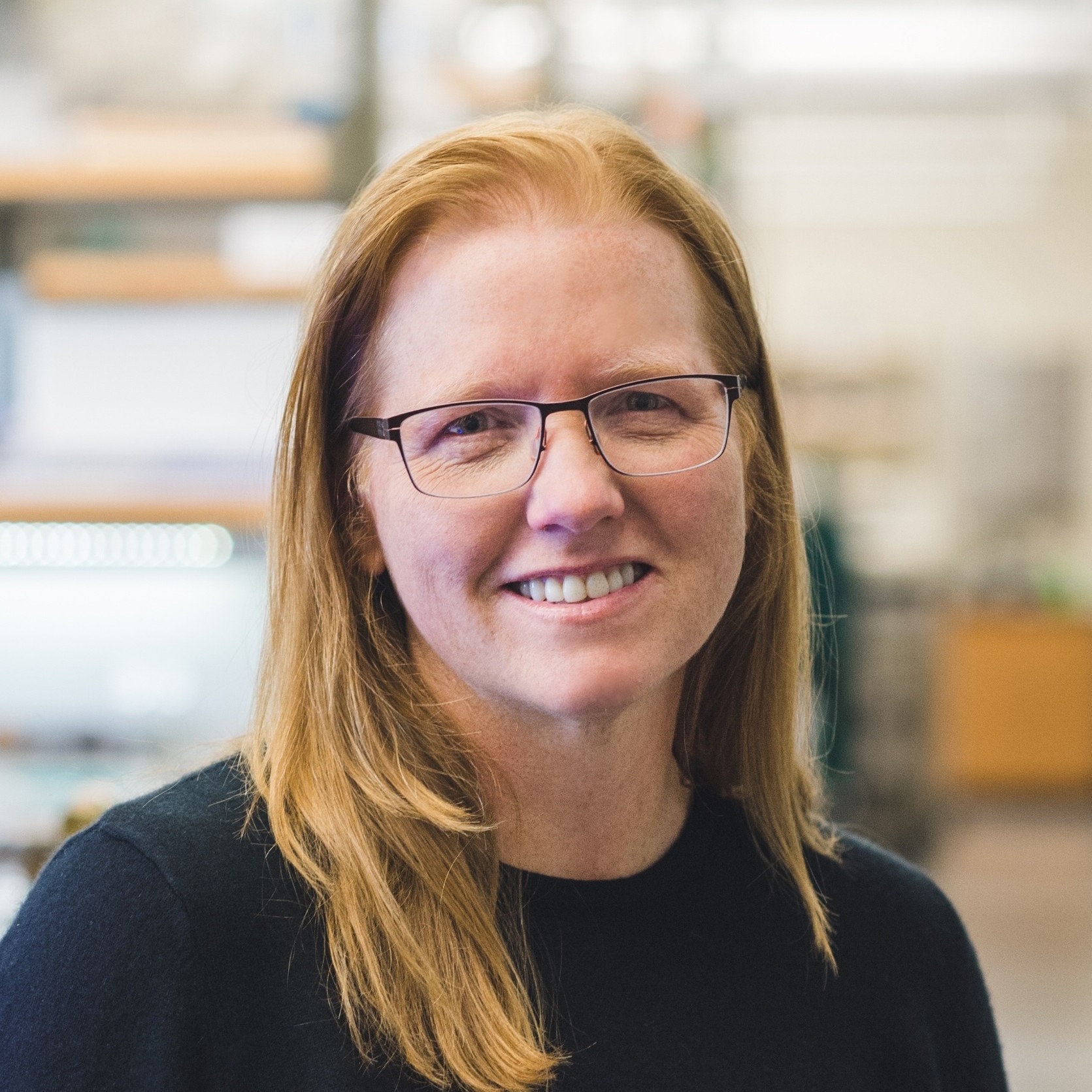
Kristi Anseth
Kristi Anseth is the Tisone Professor of Chemical and Biological Engineering and Associate Faculty Director of the BioFrontiers Institute at the University of Colorado at Boulder. Her research interests lie at the interface between biology and engineering where she designs new biomaterials for applications in drug delivery and regenerative medicine. Dr. Anseth’s research group has published over 420 peer-reviewed manuscripts, and she has trained more than 150 graduate students and postdoctoral associates. She is an elected member of the US National Academy of Engineering (2009), National Academy of Medicine (2009), National Academy of Sciences (2013), and National Academy of Inventors (2016). Dr. Anseth has received more than 50 major awards and given 60 honorary lectureships. Her recent recognitions include the L’Oreal-UNESCO for Women in Science Award in the Life Sciences (2020), the VinFutures Special Prize for Women Innovators (2024), and the Simon Ramo Founders Award from the NAE (2025).
Adaptable and Responsive Hydrogels to Develop Tissue Models for Drug Screening
Methods for culturing mammalian cells in a biologically relevant context are increasingly needed to study cell and tissue physiology, expand and differentiate progenitor cells, and to grow tissues for regenerative medicine applications. Our group is interested in the development of hydrogels as custom 3D microenvironments with highly controlled chemical, biological and physical cues to serve as in vitro models of tissues for drug screening. Since the native extracellular matrix is far from static, dynamic material chemistries are often needed to direct complex cellular behavior and develop appropriate tissue models New materials systems have the potential to significantly improve our understanding of how cells receive information from their microenvironment and the role that these dynamic processes may play in applications from controlling the stem cell niche and organoid growth to in vitro models of diseased tissues for drug screening. This talk will present some of our recently developed biomaterial chemistries and processing methods as applied to two disease. One is the design of hydrogel matrices with phototunable mechanics and their application to study cardiac and valve fibrosis to better understand sex differences and the evolution of fibrotic disease, as well as identifying future patient specific treatments. The second example highlights spatiotemporal engineering of materials properties to direct intestinal organoid development in a predictable and scalable manner with applications as transplantable tissues and models of intestinal inflammatory diseases.
J. Justin Gooding
Scientia Professor, University of New South Wales
Justin Gooding is a Scientia Professor in the School of Chemistry at the University of New South Wales and is an Australian Research Council Australian Industry Laureate Fellow. He is also a fellow of the Australian Academy of Science (AAS), the Australian Academy of Technological Science and Engineering (ATSE) and the Australian Academy of Health and Medical Science (AAHMS). He is the 2024 recipient of the David Craig Medal from the Australian Academy of Science, a 3 time Eureka Prize winner and 2 time winner of the International Biosensors and Bioelectronics award amongst other awards. He is the inaugural editor-in-chief of the journal ACS Sensors. He is the former founding co-director of the Australian Centre for NanoMedicine and the New South Wales Smart Sensing Network. He leads a research team of over 40 researchers interested in surface modification and nanotechnology for biosensors for medical applications, electrocatalysis and 3D cell printing. He has extensive collaborative experience with start-up companies and has been involved in the commercialisation of glucose biosensors, 3D bioprinters and an in vivo sensing platform for therapeutic drug monitoring.
Tools for Understanding the Liquid Biopsy: From 3D Cell Culture to Ultrasensitive Biosensors
Diagnostic tools are required by the entire spectrum of cancer diagnosis and treatment. The different diagnostic tools however work on very different length scales from 3D cell cultures to the detection of single molecules. In this talk we will cover a range of diagnostic technologies we are developing that cover the lengths scales required for evaluation of drug treatments to the early detection of cancer.
Starting from the larger size scale, the talk will describe our bespoke 3D bioprinter for producing in vitro 3D cell spheroid cancer models [1]. The types of 3D cell biology assays will be described including our initial work on primary cell tumoroids for personalised medicine [2]. We will then switch the emphasis to diagnosis and ultrasensitive biosensors that can detect just a few microRNA molecules for early cancer diagnostics [3,4]. Finally approaches to developing quantitative biosensors that can detect single molecules will be discussed [5,6].
Reference
1] R.H. Utama, L. Atapattu, A.P. O’Mahony, C.M. Fife, J. Baek, T. Allard, K.J. O’Mahony, J. Ribeiro, K. Gaus, M. Kavallaris*, J.J. Gooding*, Precise, high-throughput production of multicellular spheroids with a novel 3D bioprinter, iScience 23 101621 (2020).
[2] B. Soliman, P. Tian, J.Y. Cui, K.A. Kilian*, J.J. Gooding*, Interfacial Stress Regulates Plasticity and Drug Resistance at the Breast Cancer-Host Interface, Adv. Sci. in press
[3] R. Tavallaie, J. McCarroll, M. Le Grand, N. Ariotti, W. Schuhmann, E. Bakker, R.D. Tilley, D.B. Hibbert, M. Kavallaris, J.J. Gooding, DNA-programmed electrically reconfigurable network of gold-coated magnetic nanoparticles enables ultrasensitive microRNA detection in blood, Nature Nanotech. 13 1066-1071(2018).
[4] C. Hu, E.M. Dief, B.G. Soliman, S. Romanazzo, S. Rana, K.A. Kilian, R.D. Tilley*, J.J. Gooding*, Direct Detection of microRNA in Liquid Biopsies from Individual Cancer Spheroids, Chem. Sci. 16 8970-8978 (2025).
[5] K. Chuah, Y. Wu, S.R.C. Vivekchand, K. Gaus, P.J. Reece, A.P. Micolich, J.J. Gooding, Nanopore Blockade Sensors for Ultrasensitive Detection of Proteins in Complex Biological Samples, Nature Comm 10 2109 (2019).
[6] T.H.P. Doan, J.P. Fried, W.X. Tang, D.E. Hagness, Y.F. Wu, R.D. Tilley, J.J. Gooding*, Optical Nanopore Blockade Sensors for multiplexed detection of proteins, Nanoletters 25 3233-3239 (2025).
Xihong Lin
Professor and Chair of Statistics, Harvard University
Xihong Lin is Professor and former Chair of Biostatistics, Professor and Chair of Statistics at Harvard University, and the Coordinating Director of the Program in Quantitative Genomics at Harvard School of Public Health. Dr. Lin works on the development and application of integrating statistical, machine learning and generative AI methods for the analysis of massive and complex genetic, genomic and health data. Dr. Lin is an elected member of the US National Academy of Sciences and the US National Academy of Medicine. She received the Presidents’ Award from the Committee of Presidents of Statistical Societies (COPSS), the Mortimer Spiegelman Award from the American Public Health Association, the Jerome Sacks Award for Outstanding Cross-Disciplinary Research from the National Institute of Statistical Science. She is an elected fellow of American Association for the Advancement of Science, American Statistical Association, and Institute of Mathematical Statistics. She is the President-Elect of the Institute of Mathematical Statistics.
Accelerate Trustworthy Discovery by Integrating Genomic Health, Generative AI and Statistics
Genomic health research has generated massive, high-throughput genomic and phenomic data, creating unprecedented opportunities and analytical challenges. Rapid advances in generative AI offer new approaches to learning from complex data, while statistics provides the foundation for rigorous, uncertainty-aware, and trustworthy discovery. In this talk, I will discuss opportunities and challenges in building an integrated ecosystem that combines experimental and population genomic health research, generative AI, and statistics to accelerate trustworthy biological and health discoveries. I will illustrate the key points using large-scale functional genomics and biobank studies, which involve integrative analysis of multi-modal data including multi-omics, whole-genome sequencing (WGS), proteomics, imaging phenotypes, and electronic health records (EHRs). I will highlight principled Gen-AI analysis with statistical guarantee. I will discuss building generative models of high-fidelity high-dimensional functional genomics and biobank data to generate synthetic genomic helth data, and developing synthetic genotype- and phenotype-powered analysis frameworks that integrate observed data with GenAI-generated synthetic data, enabling valid statistical inference even when black-box generative models are misspecified, while improving inferential power when these models are informative. Finally, I will explore human-guided agentic AI platforms for functional genomics, WGS, and biobank analysis, highlighting how an end-to-end data science ecosystem can accelerate trustworthy discovery and translational science.
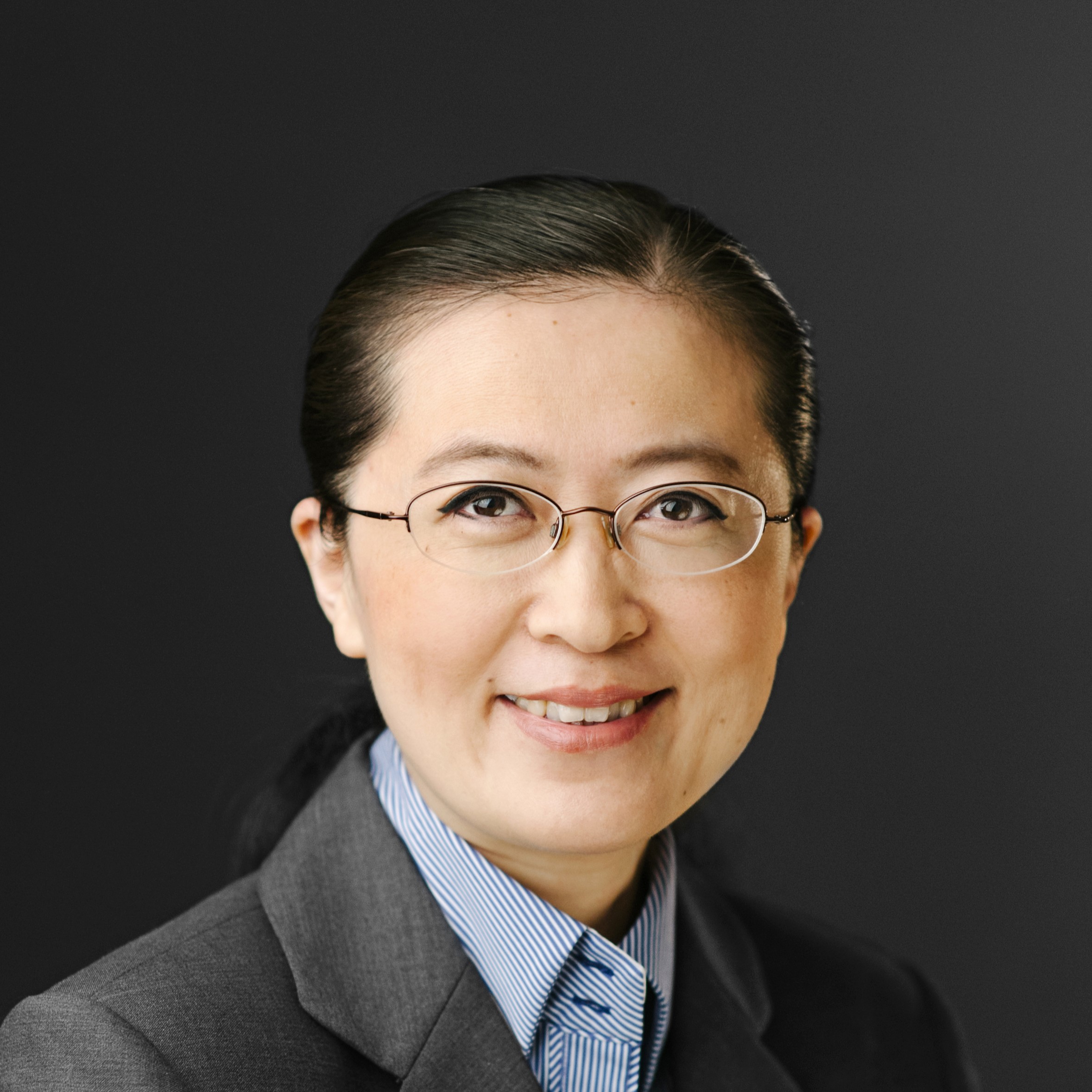
Bin Liu
Tan Chin Tuan Centennial Professor
Deputy President (Research and Technology), National University of Singapore
Professor Bin Liu is Tan Chin Tuan Centennial Professor at the National University of Singapore (NUS). Bin graduated with bachelor’s degree from Nanjing University and a Ph.D. in Chemistry from NUS. She had postdoctoral training at the University of California, Santa Barbara before joining NUS in 2005. Bin has been well-recognized for her contributions to polymer chemistry and organic nanomaterials for energy and biomedical applications. She is an international member of the US National Academy of Engineering. Since 2019, she has served as the Deputy Editor to launch and develop ACS Materials Letters, a flagship materials journal of the American Chemical Society.
Accelerating Biomedical Research through AIEgen Innovation
Recent years have witnessed the fast growth of fluorogens with aggregation-induced emission characteristics (AIEgens) in biomedical research. The weak emission of AIEgens as molecular species and their bright luminescence as nanoscopic aggregates distinguish them from conventional organic luminophores and inorganic nanoparticles, making them wonderful candidates for many high-tech applications. In this talk, I summarize our recent AIE work in the development of new fluorescent bioprobes for biosensing and imaging. The AIE dot probes with different formulations and surface functionalities show advanced features over quantum dots and small molecule dyes in noninvasive cancer cell detection, long-term cell tracing, and vascular imaging. In addition, our recent discovery that AIEgens with high brightness and efficient reactive oxygen species generation in the aggregate state further expanded their applications to image-guided cancer surgery and therapy. By combining the accurate prediction of material performance via first-principle calculations and Bayesian optimization-based active learning, a self-improving discovery system was realized for high-performance photosensitizers, which significantly accelerated our materials innovation for biomedical research.
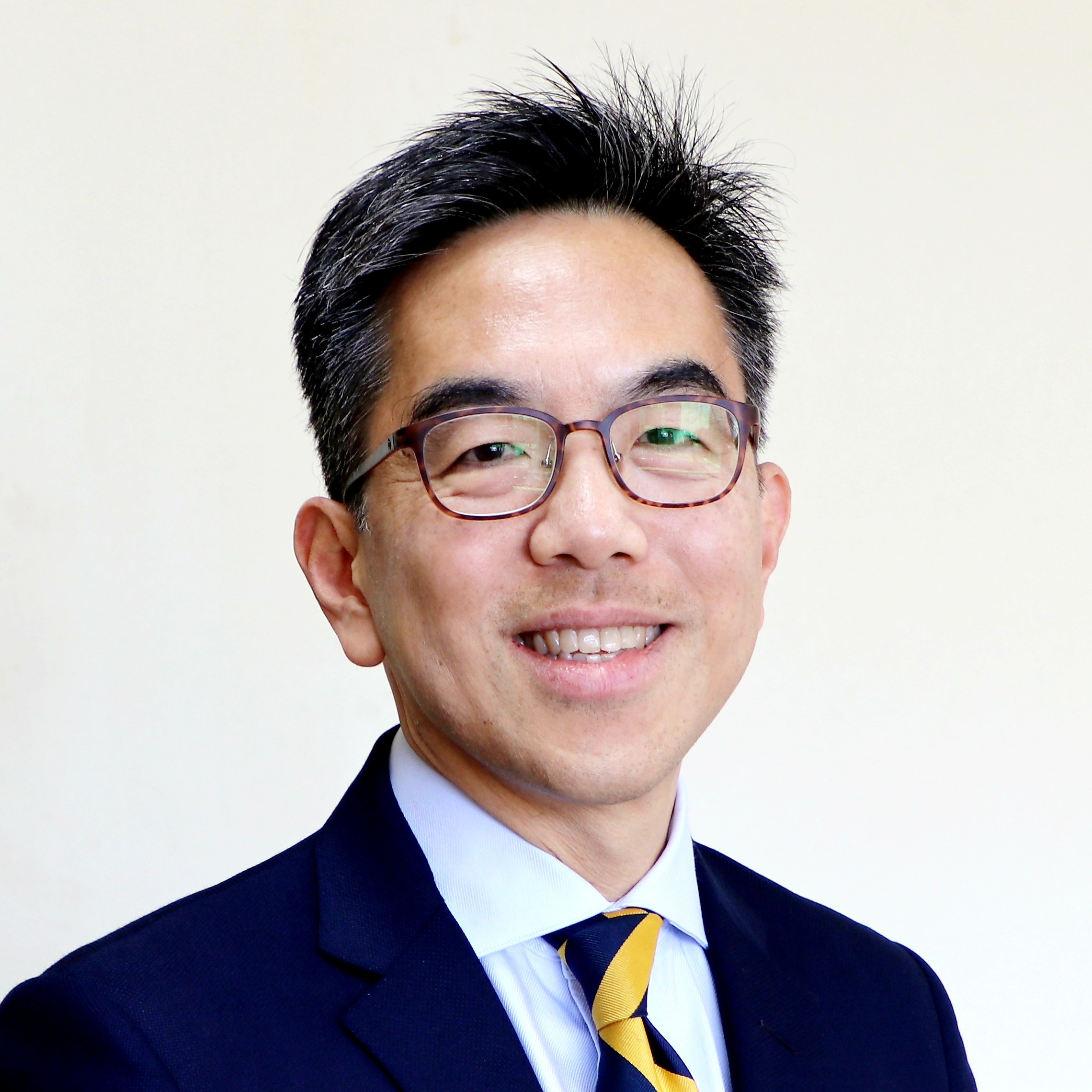
Tien Yin Wong
Chair Professor & Senior Vice-Chancellor, Tsinghua Medicine
Vice-Provost, Tsinghua University
Senior Advisor, SingHealth, Singapore National Eye Centre
Professor Tien Yin Wong is a physician-scientist-innovator and the Senior Vice-Chancellor of Tsinghua Medicine and Vice-Provost of Tsinghua University, China. He has worked and held senior leadership roles in Singapore and Australia, including at the National University of Singapore, SingHealth Duke-NUS Medical School, Singapore National Eye Centre, and University of Melbourne.
Prof Wong is a practicing retinal specialist, with a research portfolio on retinal diseases, ocular imaging, AI and digital technology. He has published >1,700 peer-reviewed papers (H-index >240, highly cited researcher 2020-2025), given >600 invited named, plenary and symposium lectures, and received >US$100 million in grant funding. Prof Wong has been recognized with multiple international awards, including Arnall Patz Medal (Macula Society), Jose Rizal Medal (Asia Pacific Academy of Ophthalmology) and Friedenwald Award (ARVO). He has received Singapore’s President’s Science Award in 2010 and President’s Technology Award in 2014. He is an elected Member/Fellow of five national academies: the US National Academy of Medicine, the UK Royal Society, the Singapore National Academy of Science, the Australian Academy of Health and Medical Sciences and the US National Academy of Inventors.
AI and Medicine: A Symbiotic Evolutionary Transformation
AI is transforming medicine at a pace few other technologies have matched. Deep learning, large language models and AI agentic systems are now being applied across the full spectrum of clinical care — from screening and diagnosis to risk stratification, clinical decision support and patient monitoring. AI has the potential to augment the skills of doctors, expand access to specialist-level care, and reduce inefficiency in overburdened health systems. However, realising the potential of AI requires more than better algorithms. The medical profession and the healthcare system itself must evolve and transform to accommodate AI. This includes redesigning clinical workflows around AI tools rather than adding them on; building the trust, evidence and validation needed for doctors and patients to rely on AI; establishing data infrastructure, regulatory pathways and payment models that support AI adoption; and preparing future doctors to be “AI-ready” — comfortable evaluating and using AI, and aware of both its benefits and its limitations. Drawing on recent clinical AI development and validation work, as well as experience building new models of academic medicine and the AI agent hospital at Tsinghua, this talk will present an overview of current state of the art in medical AI and how AI and medicine must be co-evolving partners, where technological advances and institutional change must proceed together for AI to deliver on its promise.
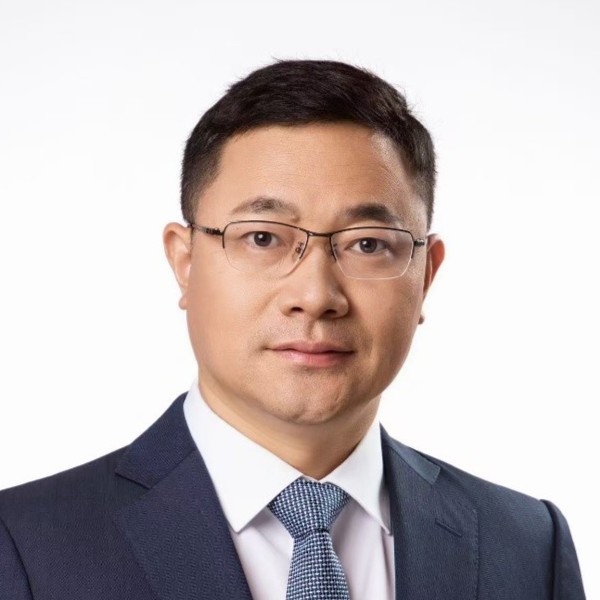
Hairong Zheng
Executive Vice President, Nanjing University
Professor, Shenzhen Institutes of Advanced Technology, Chinese Academy of Sciences
Director, State Key Laboratory of Biomedical Imaging Science and System
Hairong Zheng received his Ph.D degree in mechanical engineering from the University of Colorado at Boulder in 2006. He then joined the University of California, Davis, initially as a postdoctoral fellow, before becoming a project scientist in the Department of Biomedical Engineering. Currently, Dr. Zheng is an academician at the Chinese Academy of Sciences, serves as executive vice president of Nanjing University, professor at the Shenzhen Institutes of Advanced Technology, Chinese Academy of Sciences, director of State Key Laboratory of Biomedical Imaging Science and System. He received his Ph.D degree in mechanical engineering from the University of Colorado at Boulder in 2006. He then joined the University of California, Davis, initially as a postdoctoral fellow, before becoming a project scientist in the Department of Biomedical Engineering. His research primarily focuses on brain-computer interface, medical imaging technology and instrumentation systems. Dr. Zheng is the recipient of the National Science Fund for Distinguished Young Scholars and has led several major scientific research projects. Additionally, he holds the position of director at the National Innovation Center for Advanced Medical Devices, and acts as vice president of the Chinese Society of Biomedical Engineering. For his contributions, Dr. Zheng has been honored with the National Science and Technology Award.
Noninvasive Ultrasonic Brain Computer Interface
Brain-Computer Interface (BCI), serving as a bridge connecting biological intelligence with data intelligence and physical intelligence, represents an inevitable stage in the transition from “computational power dependence” to “intellectual dependence” in the era of artificial intelligence. It is driving the deep convergence of brain science research and intelligent technology revolution. Brain “reading” and “writing” are the core of BCI. The precise “reading” and “writing” mechanisms for brain-computer interface imaging and decoding neural signals are fundamental scientific challenges. Breaking through brain function and neural imaging, translation, and neural information writing to achieve efficient brain-computer information interaction is at the forefront of current scientific challenges and a key breakthrough for neural engineering, brain disease intervention, and brain-inspired computing. In the presentation, we introduce functional ultrasound brain imaging to non-invasively “read” neural activity in the brain, and apply acoustic radiation force to open mechanosensitive ion channels to precisely modulate neural activity, realizing non-invasive ultrasound closed-loop brain-machine interface. Firstly, we review the theory and development of the ultrasound brain functional imaging and its applications. Furthermore, we introduce latest advancements in ultrasound brain modulation and its applications. By constructing a strong local gradient acoustic field and generating modifiable acoustic radiation force, we can activate mechanosensitive ion channels through acoustic radiation force and then precisely control the excitability of neurons, apply ultrasound stimulation to specific nuclei, and control certain specific sensations and behaviors of organisms. Finally, we will explore the future development prospects of ultrasonic non-invasive brain-computer interfaces is prospected.
More Plenary Speakers to Be Announced.